The breakdown of patterns that MIRE/C³ responds to are detailed below. Some are more popular than other ones - visit the breakdown page to see which attacks are being targeted by the bad guys.
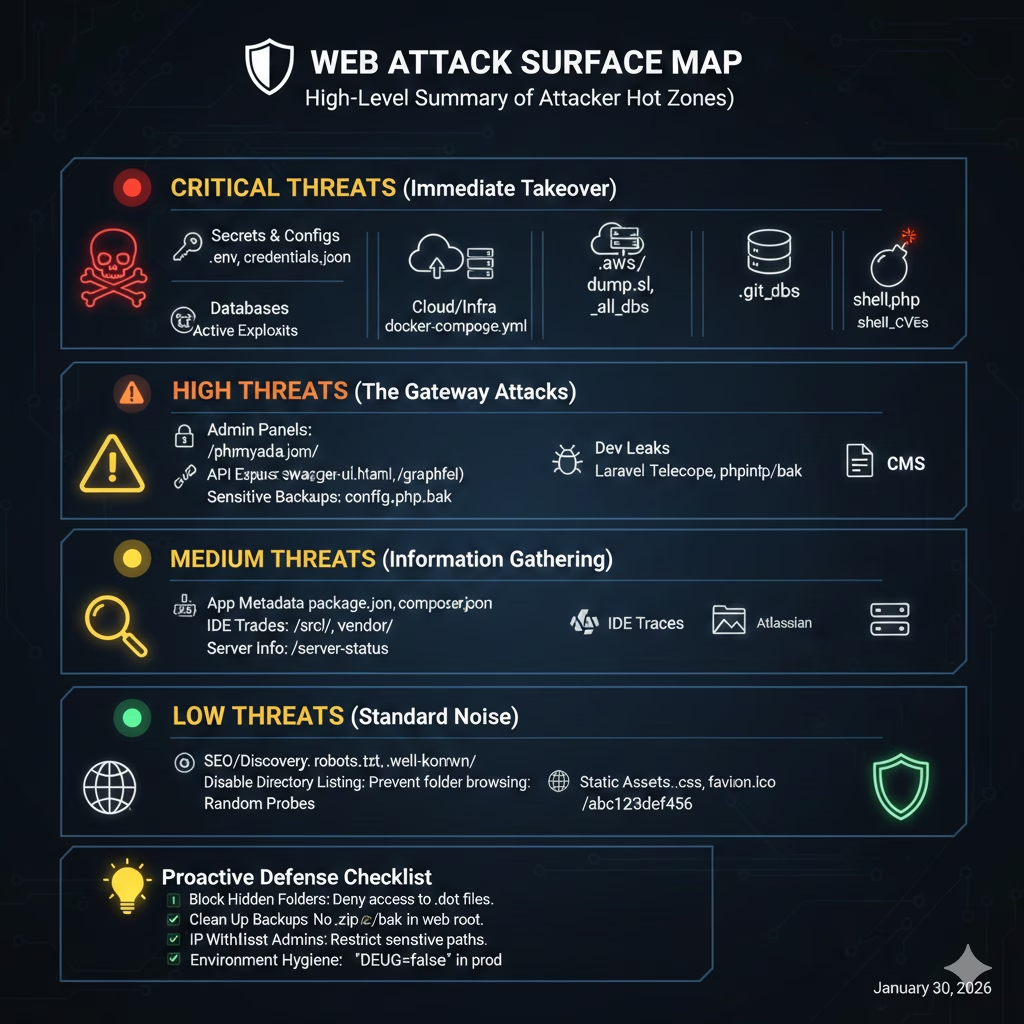
In alphabetical order:
Admin Panel Scan
What: Admin login pages and panels
Why: Weak passwords or default credentials (admin/admin)
Example: /admin/, /phpmyadmin/, /console/
Danger Level: 🟠 HIGH - Brute force target
API Documentation
What: Swagger, OpenAPI, API documentation endpoints
Why: Reveals all API endpoints, parameters, and authentication methods
Example: /v2/api-docs, /swagger-ui.html, /openapi.json
Danger Level: 🟠 HIGH - Complete API map for attackers
API Probes
What: API endpoints like /actuator/, /graphql, /api/
Why: Looking for exposed APIs, especially Spring Boot Actuator (leaks environment vars)
Example: /actuator/env, /graphql, /api/users
Danger Level: 🟠 HIGH - Can expose system info and data
App Configs
What: Application-specific config files
Why: Framework settings, database connections
Example: /package.json, /composer.json, /appsettings.json
Danger Level: 🟡 MEDIUM - Dependency info + sometimes credentials
Archive Theft
What: .zip, .tar.gz, backup archives
Why: Developers leave backups accessible (backup.zip, db.tar.gz)
Example: /backup.zip, /old.tar.gz, /archive/
Danger Level: 🔴 CRITICAL - Often contains entire codebase + DB dumps
Atlassian Probes
What: Atlassian Jira/Confluence login and exploit attempts
Why: CVE exploits (CVE-2021-26084) or default credentials
Example: /login.action, /s/*/META-INF/maven/
Danger Level: 🔴 CRITICAL - Known RCE vulnerabilities
Backup Files
What: .bak, .old, .backup files
Why: Editors create these automatically (config.php.bak)
Example: /config.php.bak, /database.yml.old
Danger Level: 🟠 HIGH - Often contain unredacted secrets
Cache/Storage
What: Cache directories and temp storage
Why: Session files, uploaded files, cached credentials
Example: /cache/, /storage/, /.cache/, Thumbs.db
Danger Level: 🟡 MEDIUM - Depends on contents
Certificates
What: SSL/TLS certificates and private keys
Why: Private keys allow man-in-the-middle attacks
Example: /certificate.pem, /privkey.key, /server.crt
Danger Level: 🔴 CRITICAL - Complete SSL compromise
Cloud Configs
What: Cloud provider configuration directories
Why: Cloud credentials and access keys
Example: /.aws/, /.azure/, /.kube/, gcloud/
Danger Level: 🔴 CRITICAL - Full cloud infrastructure access
Cloud Secrets
What: AWS, Azure, GCP credentials
Why: Cloud account takeover
Example: /aws-config.json, /.aws/credentials, /s3.js
Danger Level: 🔴 CRITICAL - Full cloud access
CMS Generic
What: Joomla, Drupal, Magento, other CMS platforms
Why: Known vulnerabilities in popular CMS systems
Example: /joomla/, /drupal/, /typo3/, /administrator/
Danger Level: 🟠 HIGH - Large attack surface
Common Files
What: Standard web files expected on all sites
Why: Fingerprinting and reconnaissance
Example: /favicon.ico, /apple-touch-icon, /browserconfig.xml
Danger Level: 🟢 LOW - Mostly harmless probing
Configs & Secrets
What: .env files, .ini, .yml, configuration files with credentials
Why: These contain database passwords, API keys, JWT secrets, AWS credentials
Example: /.env, /config.yml, /credentials.json
Danger Level: 🔴 CRITICAL - Direct access to secrets
CVE Exploits
What: Specific CVE exploit attempts (CGI-bin, known vulnerabilities)
Why: Automated exploitation of published vulnerabilities
Example: /cgi-bin/**, /tmui/login.jsp, /solr/, /jenkins/
Danger Level: 🔴 CRITICAL - Active exploitation
Database Files
What: SQL dumps and database exports
Why: Direct database downloads
Example: /dump.sql, /database.sql, /db.sql
Danger Level: 🔴 CRITICAL - Entire database
Database Probes
What: CouchDB/NoSQL database APIs
Why: /_all_dbs lists all databases, often exposed with no auth
Example: /_all_dbs, /_membership, /_dbs_info
Danger Level: 🔴 CRITICAL - Direct database access
Development Files
What: Dev environment configs and build tools
Why: No security in dev mode
Example: /.env.development, /phpunit.xml, .travis.yml, gulpfile.js
Danger Level: 🟠 HIGH - Debug mode = secrets exposed
DLP/Verify Probes
What: Data loss prevention and blog verification endpoints
Why: Testing for security tools or claiming blogs
Example: /data-loss-prevention, /blog-verify
Danger Level: 🟢 LOW - Reconnaissance
Docker/K8s
What: Docker and Kubernetes configuration files
Why: Container orchestration secrets and infrastructure details
Example: /docker-compose.yml, /Dockerfile, /.dockerignore, /kubernetes/
Danger Level: 🔴 CRITICAL - Infrastructure secrets
Exchange Exploits
What: Microsoft Exchange ProxyShell/ProxyLogon CVEs
Why: Zero-day exploits for email server takeover
Example: /ecp/Current/exporttool/microsoft.exchange.ediscovery.exporttool.application
Danger Level: 🔴 CRITICAL - RCE exploit
Executable Probes
What: .exe, .action files and command executables
Why: Windows servers or Atlassian/Java apps
Example: /cmd.exe, /shell.exe, /login.action
Danger Level: 🟠 HIGH - RCE attempts
Exploits
What: Directory traversal, command injection attempts
Why: RCE and arbitrary file read
Example: /../../../etc/passwd, ?cmd=whoami, %00 null bytes
Danger Level: 🔴 CRITICAL - Active exploitation
Framework Exploits
What: Framework-specific directories (Laravel, Django, Rails, Struts)
Why: Framework vulnerabilities and default paths
Example: /laravel/, /symfony/, /struts/, /spring/
Danger Level: 🟠 HIGH - Known framework exploits
Generic PHP Files
What: Random PHP files that shouldn't exist
Why: Probing for forgotten test files or shells
Example: /1234.php, /test123.php, /backup.php
Danger Level: 🟡 MEDIUM - Opportunistic
IDE Configs
What: VSCode, IntelliJ configuration directories
Why: Contain workspace settings, sometimes DB connection strings
Example: /.vscode/, /.idea/, .sublime-project
Danger Level: 🟡 MEDIUM - Accidental leaks
JSON Config Files
What: JSON configuration files
Why: Modern apps store everything in JSON (credentials, API keys, settings)
Example: /config.json, /appsettings.json, /settings.json, /oauth.json
Danger Level: 🟠 HIGH - Structured secrets
JS Config Files
What: JavaScript configuration files
Why: Contain API endpoints, feature flags, sometimes hardcoded tokens
Example: /config.js, /env.js, /webpack.config.js, /app.js
Danger Level: 🟠 HIGH - Often has frontend secrets
Laravel Telescope
What: Laravel's debugging tool
Why: Shows all requests, queries, environment variables, Redis data
Example: /telescope/requests
Danger Level: 🔴 CRITICAL - Complete system exposure if left enabled
Log Files
What: Application and error logs
Why: Contain stack traces, database queries, API keys in errors
Example: /error.log, /debug.log, /laravel.log, /access_log
Danger Level: 🟠 HIGH - Accidental credential leaks
Other
What: Uncategorized/unique probes
Why: Experimental attacks, custom exploits, or just noise
Danger Level: ❓ UNKNOWN - Needs analysis
Payment/Stripe
What: Payment processing configs and Stripe keys
Why: Steal API keys to process fraudulent payments
Example: /stripe.json, /payment/config.js, /checkout/
Danger Level: 🔴 CRITICAL - Financial fraud
PHP Info Probes
What: phpinfo() output pages
Why: Shows PHP version, modules, environment variables, paths
Example: /phpinfo.php, /info.php
Danger Level: 🟠 HIGH - Complete server fingerprint
Random Probes
What: Random alphanumeric strings or long numbers
Why: Automated scanners testing for hidden endpoints
Example: /abc123def456ghi789, /1234567890
Danger Level: 🟢 LOW - Usually just noise
Robots/Sitemap
What: SEO and crawler files
Why: Discover site structure and hidden paths
Example: /robots.txt, /sitemap.xml
Danger Level: 🟢 LOW - Legitimate reconnaissance
Security Files
What: Web server security configuration files
Why: Access controls and authentication rules
Example: /.htaccess, /.htpasswd, /web.config, /security.txt
Danger Level: 🟠 HIGH - Reveals security mechanisms
Server Probes
What: Apache/Nginx server status pages
Why: Shows active connections, server load, internal IPs
Example: /server-status, /server-info, /server.js
Danger Level: 🟡 MEDIUM - Reconnaissance info
Source Directories
What: Source code folders (/src/, /app/)
Why: Misconfigured web servers serving source code
Example: /src/, /app/, /public/, /backend/, /frontend/
Danger Level: 🟠 HIGH - Full code disclosure
Static Assets
What: CSS, images, fonts, and other static files
Why: Fingerprinting frameworks and tech stack
Example: .css, .jpg, .png, .woff, /images/
Danger Level: 🟢 LOW - Usually harmless
Test Paths
What: Test directories and files
Why: Test environments often have no security
Example: /test/, /testing/, /tests/, setupTests.js
Danger Level: 🟡 MEDIUM - Easier targets
Upload Paths
What: File upload directories
Why: Unrestricted file uploads can lead to webshells
Example: /upload/, /uploads/, /files/, /attachments/
Danger Level: 🟠 HIGH - Potential shell upload point
Utility Paths
What: Helper function and utility directories
Why: Often contain database helpers or internal tools
Example: /helpers/, /utils/, /lib/, /functions/
Danger Level: 🟡 MEDIUM - Internal functionality exposure
Vendor Paths
What: Third-party dependency directories
Why: Outdated libraries with known vulnerabilities
Example: /vendor/, /node_modules/, /bower_components/
Danger Level: 🟡 MEDIUM - Dependency vulnerabilities
Version Control
What: .git/, .svn/ directories
Why: Download entire source code history + secrets from commits
Example: /.git/config, /.svn/entries, /.hg/
Danger Level: 🔴 CRITICAL - Complete source code leak
Vite Probes
What: Vite development server endpoints
Why: Dev servers expose environment variables
Example: /@vite/env
Danger Level: 🟠 HIGH - Dev-only, but leaks env vars
Web Roots
What: Default homepage and index files
Why: Site fingerprinting and initial recon
Example: /, /index.html, /index.php, /default.aspx
Danger Level: 🟢 LOW - Standard scanning
Web Shells
What: PHP shells used for remote code execution
Why: If found, attacker already owns the server
Example: /shell.php, /c99.php, /wso.php
Danger Level: 🔴 CRITICAL - Indicates compromise or scanning for past breaches
Well-Known URIs
What: IETF standard paths for service discovery
Why: Looking for payment handlers, cryptocurrency wallets
Example: /.well-known/farcaster.json, /.well-known/security.txt
Danger Level: 🟢 LOW - Mostly legitimate scanning
Wordpress/CMS
What: WordPress core files and paths
Why: 43% of websites use WordPress - huge attack surface
Example: /wp-login.php, /wp-admin/, /xmlrpc.php
Danger Level: 🟠 HIGH - Default install = easy target
WP Variants
What: Alternative WordPress login paths
Why: Custom login URLs or renamed files
Example: /wp-signin.php, /wp.php, /wp-json/oembed
Danger Level: 🟡 MEDIUM - WordPress-specific